In this article, I’ll cover the best coffee beans for lattes. If you’re like me, you are probably wary of flavored coffee and only drink regular coffee.
You also love the taste of a good latte, but don’t want to go out and spend $5 for one you will drink occasionally. So what do you do?
You make an amazing latte at home without much trouble!
Best Coffee Beans for Latte Shortlist
Here’s my shortlist of the top coffee beans for latte in 2025:
- Best for Fruity-Chocolate Notes: Ethiopian Yirgacheffe — Winey blackcurrant, berry fruit and chocolate hints deliver a fruity yet chocolatey shot that cuts through milk with a clean, crisp finish.
- Best for Creamy Sweetness: Organic Peru Coffee — Low-acid Peruvian bean offers sweet, creamy body with earthy cocoa-vanilla undertones, ideal for silky smooth lattes.
- Best for Smoky Strength: Dark Brazil Cerrado — Strong smoky profile and mild body from dark Brazil Cerrado create a bold espresso backbone that balances milk sweetness.
- Best for Syrupy Depth: Sumatra Mandheling — Chocolate, roasted chestnut and caramel flavors with very low acidity build a punchy, syrupy base for rich lattes.
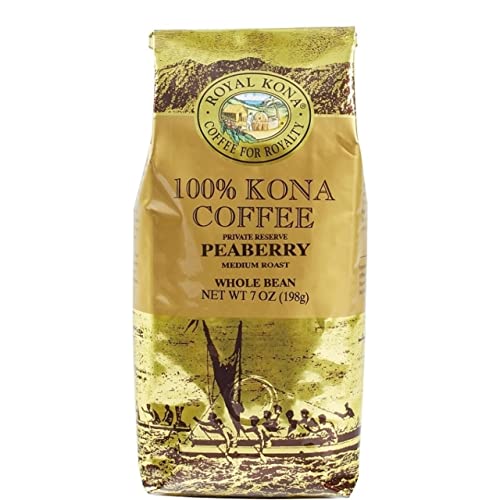
- Best for Delicate Sweetness: Royal Kona 100% Kona — Creamy, medium-bodied Kona yields delicate sweetness with minimal acidity, letting velvety milk shine without bitterness.
Below, you’ll find all the necessary information to make lattes at home. I’ll cover the best beans to use and talk about how to make espresso coffee at home!
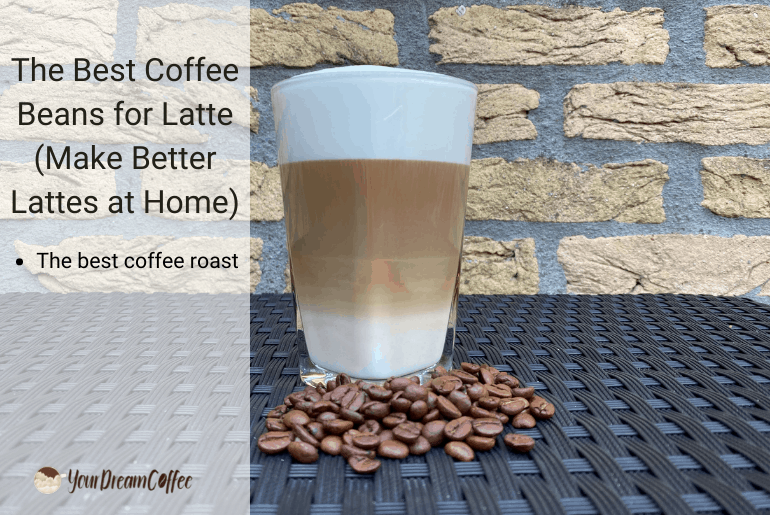
My top 5 best coffee beans for lattes
The coffee bean is an essential part of the latte. While coffee (in the form of espresso) is the standard, if you make a latte for a crowd, it’s worth investing in high-quality beans.
But how do you choose between all those coffee beans? The answer is that you pick a coffee based on its origin.
All coffee beans come from a certain region, which will significantly change the coffee beans’ flavor.
It’s worth looking further into the origin of the coffee beans rather than the kind of roast (light roast aside).
Below, I’ll go over my top 5 best coffee beans for a latte, which is based on the origin of the coffee beans.
1. Ethiopian coffee beans
The taste of Ethiopian coffee is often described as having “a winey blackcurrant flavor with hints of spice and chocolate.”
Ethiopian coffee beans taste fruity with a hint of berry and chocolate. A clean, crisp finish that leaves you wanting more.
Ethiopian coffee is also known as Africa’s finest with its rich aroma and flavor. One of the main reasons for this is that it is grown in high altitudes with clear air, giving it a cleaner taste.
Ethiopian coffee is known to have the largest number of wild trees, which provide a large number of different fruit flavors.

I like to use these coffee beans from Volcanica, and I can highly recommend them for making delicious lattes at home! If you’re interested, you can get them here.
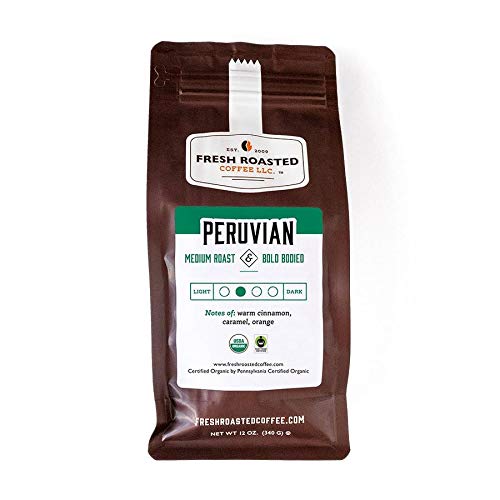
2. Peruvian coffee beans
Peruvian coffee beans are best for lattes because they have low acidity and a sweet, creamy taste with subtle chocolate or vanilla undertones.
The best flavor for a latte will be a low acidity with creamy, earthy tones, mild-bodied with chocolate or vanilla undertones. Peruvian coffee is perfect for that kind of flavor.
Peruvian coffee beans have a low acidity, which means there is less bitterness in their flavor.
They are also said to have “earthy” tones, which give them the strong taste that has been desirable in the wake of the lighter flavors of other coffee beans.
Peruvian beans are mild-bodied and lightly flavored compared to others like Colombian or Brazilian but still carry the same amount of caffeine.
Peruvian coffee is one of my favorite coffees to use and works remarkably well in a latte. You can check them out here or have a look below:
3. Brazilian coffee beans
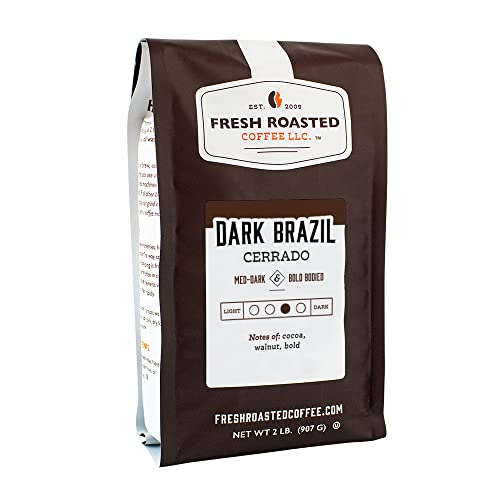
Brazilian coffee is also known as a dark-roasted espresso blend. It’s suited for a latte because it has a strong, smoky flavor and mild body.

The Brazilian coffee beans can vary in flavor, depending on how they are roasted. They can be dark-roasted to give the coffee a smoky flavor, or their natural sweetness might be emphasized by roasting them lighter.
If these coffee beans have the right tasting notes for you, you can check the coffee beans here, or you can click below:
4. Sumatra Mandheling coffee beans
Sumatra Mandheling coffee beans are also known as Indonesian coffee or Indonesian single-origin coffee beans for a latte.
It has great chocolate, roasted chestnut, and caramel flavors that give it a distinct taste.

This coffee is usually single-origin and has very low acidity, making for a perfect espresso basis.
The darker roast level makes for a more punchy latte, which is just the way I like them.

These coffee beans taste delicious in a homemade latte. If you’re interested, you can check them out here.
5. Kona coffee beans
Kona coffee beans have a creamy and medium-bodied flavor. This kind of coffee is perfect for a latte because it’s not too acidic and doesn’t have any overpowering taste.
Kona coffee is very clean tasting with little acidity and subtle sweetness from the volcanic slopes where the best Kona coffees are grown on the Big Island in Hawaii. These kinds of coffee are perfect for lattes.

Kona coffee beans are a premium variety of coffee beans. They grow only in the Kona District on the Island of Hawaii and cannot be grown anywhere else.
For this reason, Kona coffee beans are considered one of the most expensive coffees available on the market. However, it is also one of the most desirable because it is known for its delicate flavor and rich aromatic scent.
If these coffee beans are something you’re interested in, you can check them out here or use the link below:
What coffee roast is best for lattes?
Coffee roasts give you the best indication of how strong-tasting a certain coffee will be. The best coffee roasts for lattes are medium and dark roasts.
These coffee roasts have a medium to full body and slight acidity, with a few strong undertones.
The notes I’ve mentioned above will make for a great espresso, making an even better latte.
I don’t recommend using a light-roasted coffee for a latte. The notes of a lightly roasted coffee bean can come in a bit underwhelming when brewing the latte.
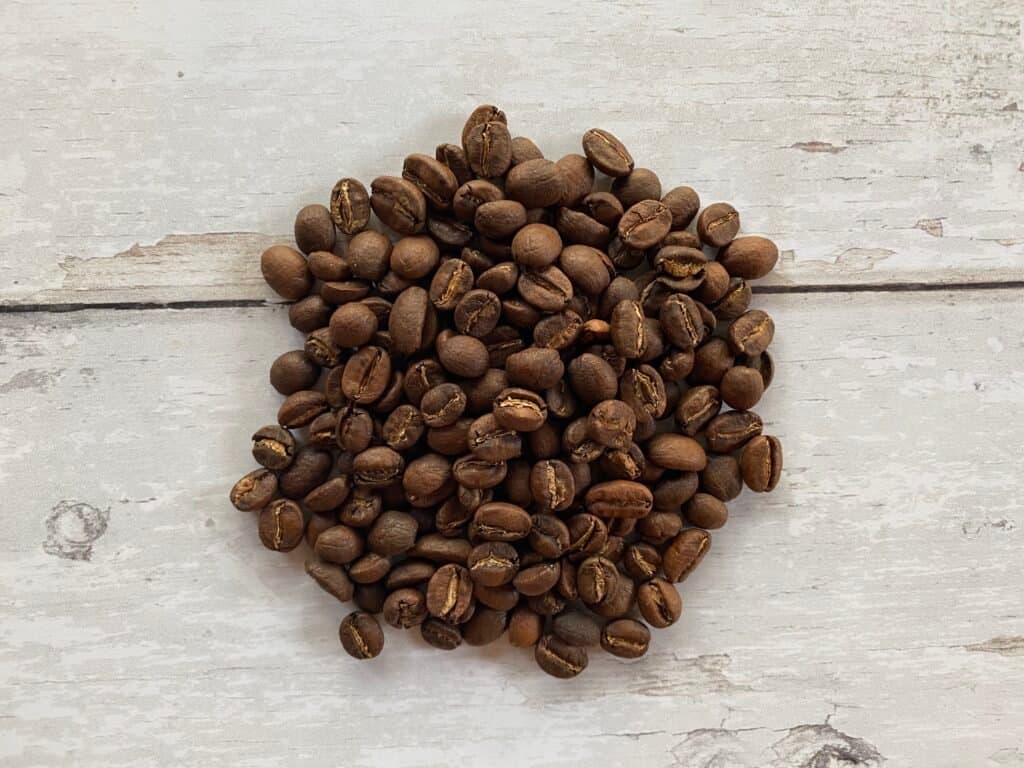
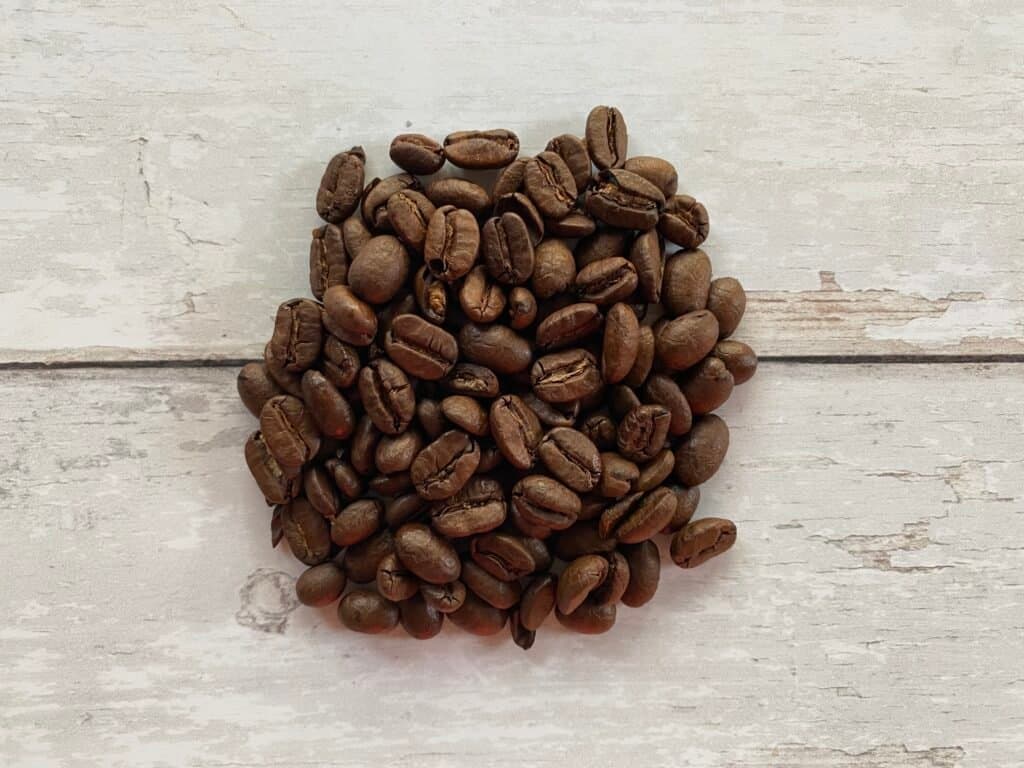
Medium and dark roasted coffee beans look like this:

As you can see from the photo above, there is quite a big difference between these coffee beans.
You can clearly see the color difference, creating a different flavor the more it’s roasted.
I’ve tested making lattes with both coffee roasts and prefer using dark-roasted coffee beans, but this is because I like drinking stronger coffee.
- If you’re like me and love strong coffee, using a dark roast for your latte is the way to go.
- Do you prefer a more mellow latte with less punchy coffee notes? Then, a medium roast will work better for you.
Now that you know about the best coffee roast, it’s time to get more information about the coffee used.
What coffee is used in a latte?
Espresso coffee is used as the basis for any latte made in coffee bars, so it’s best to use it when home-brewing coffee as well.
For high-quality espresso, you need high-quality coffee beans. Freshly roasted, freshly ground coffee beans are the key to great coffee.
You can make great lattes at home by using freshly ground coffee beans, a great espresso machine, and a milk frother.

However, making espresso at home might not be as easy as it sounds because most don’t have an espresso machine at home (like the ones they use in your favorite coffee bar).
This is where the smaller espresso coffee brewers come in.
You can make amazing espresso-like coffee using a Moka pot or AeroPress at home.
Although it’s not a perfect match to espresso made with an espresso machine, the flavors are still robust and come very close.
Can you make lattes with regular coffee?
You can make a latte with regular coffee. If you want to make a latte with regular coffee, then double brewing your coffee is the best way to achieve the robust coffee flavor that espresso normally offers.
Double-brewed coffee is a stronger variant made by doubling the amount of ground coffee you’d generally use; this creates a more powerful cup of coffee.

If you want to learn more about double brewing, then you can find more information here.
Although using brewed coffee as the coffee basis of a latte will not create a latte, you’re making a coffee that will look and taste a lot like a Café au Lait.
A Café au Lait is equal parts brewed coffee and steamed milk; if you’d rather use brewed coffee than espresso, you can check out the recipe here.
Other great coffee beans
Not sure yet about making a latte with the coffee beans mentioned in this article? Or just curious to see which coffee beans are out there?
I’ve got you covered! Check out the lists below to find great coffee beans for different brewing methods and recipes:
- Best Coffee Beans for Cappuccino
- Best Coffee Beans for Chemex
- Best Coffee Beans for Cold Brew
- Best Coffee Beans for Espresso
- Best Coffee Beans for French Press
Conclusion
Choosing the right coffee beans to make Your Dream Coffee can be quite hard. There are so many coffee beans, with each a unique set of flavors.
I hope to have made it easier for you to decide which coffee beans suit you best. Making espresso coffee and, ultimately, a latte at home has just gotten a bit easier.
Ready to make your own latte now? Check out this in-depth guide here to make your own latte at home!
If you want to learn more about brewing coffee at home, you can have a look below. I’ve listed a few interesting articles for you to check out.
Do you prefer a medium or dark roast? Let me know by leaving a comment down below. If you have any other questions regarding coffee, you can also contact me directly by pressing the “Contact Me” button at the top!